
VIETNAMESE SPICES ARE OFFICIALLY EXEMPTED FROM RECIPROCAL TARIFFS WHEN EXPORTED TO THE UNITED STATES
The U.S. Government, together with the American Spice Trade Association (ASTA), recently announced a list of agricultural products that are now exempt from reciprocal tariffs – including coffee, tea, cocoa, and spices. This decision opens up significant opportunities for Vietnamese spice exporters, especially producers of organic spices with strong certification systems and transparent supply chains.
Summary of the Decision
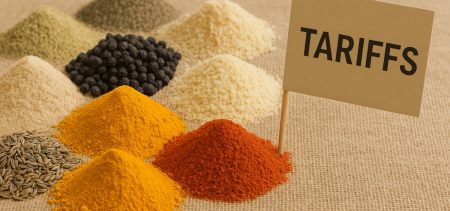
On November 14, 2025, the U.S. President signed an Executive Order revising the scope of previously imposed reciprocal tariffs. The updated policy removes reciprocal tariff on several essential agricultural products such as spices, cocoa, coffee, tea, and tropical fruits.
For spices in particular, the 0% reciprocal tariff exemption covers almost all of Vietnam’s key products under Chapter 09. This includes black pepper, ginger, turmeric, cinnamon, star anise, chili, and more.
Importantly, this policy is also retroactive, effective from the beginning of November 13, 2025. This allows U.S. importers to request refunds for reciprocal tariffs paid during this period.
Why Did the U.S. Remove Tariffs on Spices?
1. Spices are essential but not domestically produced
Most fundamental spices – such as pepper, cinnamon, ginger, and turmeric – require tropical climates and cannot be grown on a commercial scale in the United States. Applying reciprocal tariffs on these items offers no real protection for U.S. agriculture but instead increases costs across domestic food supply chains.
2. Reducing pressure from rising food prices
Earlier reciprocal tariffs imposed in early 2025 created a financial burden for businesses and consumers. Higher import costs caused upward pressure on food prices. Removing tariffs on essential items like spices is seen as a practical measure to help curb inflation, ease pressure on importers, and stabilize living costs for Americans.
3. Progress in Trade Talks
In ongoing trade framework discussions between the U.S. and countries such as India, Vietnam, and Ecuador, all sides expressed commitment to long-term cooperation. By reducing reciprocal tariffs, the U.S. demonstrates goodwill while also stabilizing food prices for its domestic market.
A Golden Opportunity for Vietnamese Spice Exporters
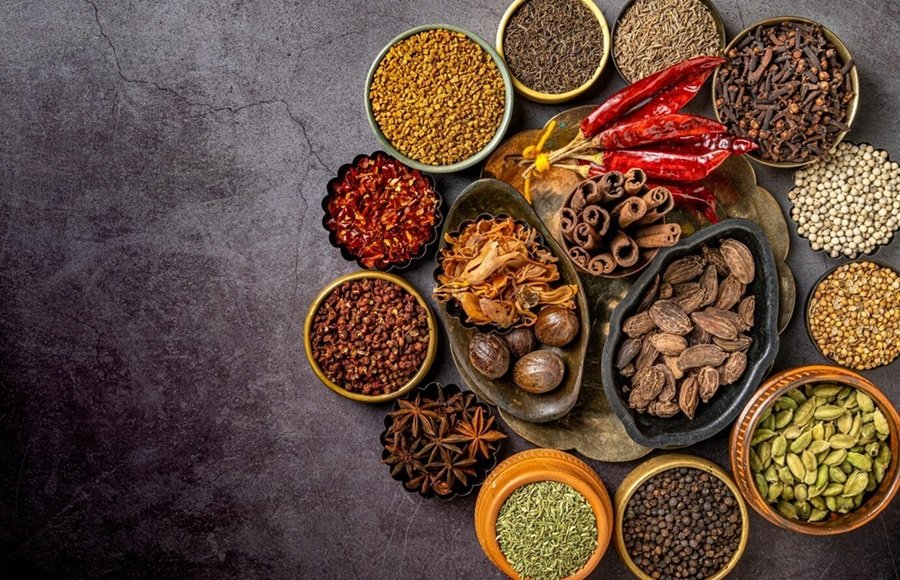
The tariff exemption will help lower export costs and create strong momentum for boosting spice exports – especially organic spices, which continue to grow in demand in the U.S. market.
However, tariff removal does not eliminate non-tariff barriers. Vietnamese spice exporters must continue to strictly comply with U.S. sanitary, safety, and technical standards to strengthen competitiveness in this demanding market.
For DACE, this decision brings substantial benefits – helping reduce export-related costs while allowing the company to focus even more on product quality. DACE remains committed to supporting U.S. import partners by delivering premium, fully traceable organic spice products.
More news
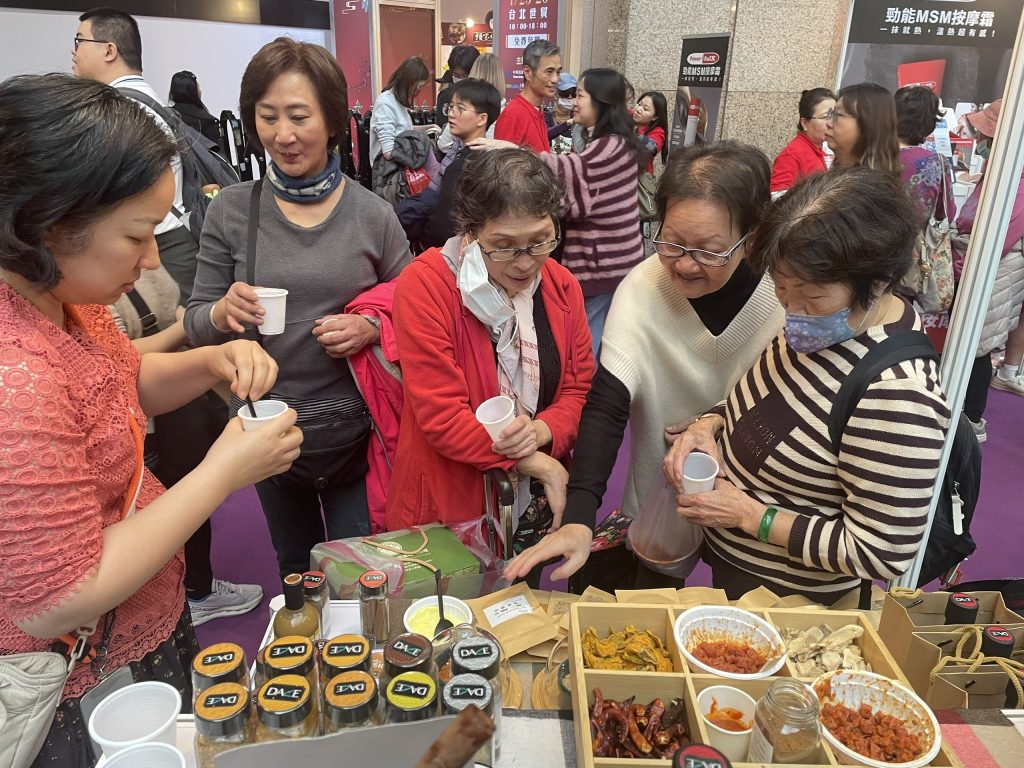
Day 3 Highlights at Taiwan New Year Market Fair 2026 Day 3 at the Taiwan New Year Market Fair 2026 has been an inspiring and rewarding experience for DACE. Taipei has welcomed us with incredible warmth, curiosity, and enthusiasm, making these past days truly memorable. Throughout the event, we have had the opportunity to engage […]

DACE ORGANIC GINGER & TURMERIC – PREMIUM SPICE & MEDICINAL INGREDIENTS FOR THE GLOBAL MARKET What is DACE’s Organic Ginger & Organic Turmeric? DACE’s Organic Ginger and Organic Turmeric are grown and cultivated in strict compliance with international organic agricultural standards. We strictly prohibit the use of chemical fertilizers, synthetic pesticides, and growth stimulants. The […]

Ginger Syrup & Cinnamon Syrup – Recipes and Applications for Winter Beverages As temperatures drop, people naturally look for beverages that provide warmth, comfort, and a sense of well-being. For centuries, ginger and cinnamon have been widely used across cultures for their distinctive flavors and warming properties. Today, these traditional spices are increasingly applied in […]

DACE is close to obtaining the Global GAP certification. DACE is pleased to announce that we are currently working diligently toward obtaining our first Global GAP certification. This important milestone reflects our strong commitment to Good Agricultural Practices, food safety, and sustainable development on a global scale. Global GAP (Good Agricultural Practices) is a leading […]

DACE is about to Participate in the 2026 Taiwan New Year Market Fair We are pleased to announce that DACE – a Vietnamese manufacturer and exporter of organic spices – will officially participate in the 2026 Taiwan New Year Market Fair, one of the most important and vibrant trade fairs in Taiwan. The event will […]

